Custom Fence Installation Solutions for Residential and Commercial Properties
Custom fencing installation options serve an essential role in improving both residential and commercial spaces. They provide security, privacy, and visual appeal while marking property lines clearly. With numerous material options available, property owners can select options tailored to their needs. Professional installation guarantees compliance with local codes. However, the benefits extend beyond mere installation—learning how to pick the ideal design and material can have a major effect on the property's value. What key factors should be considered when making these decisions?
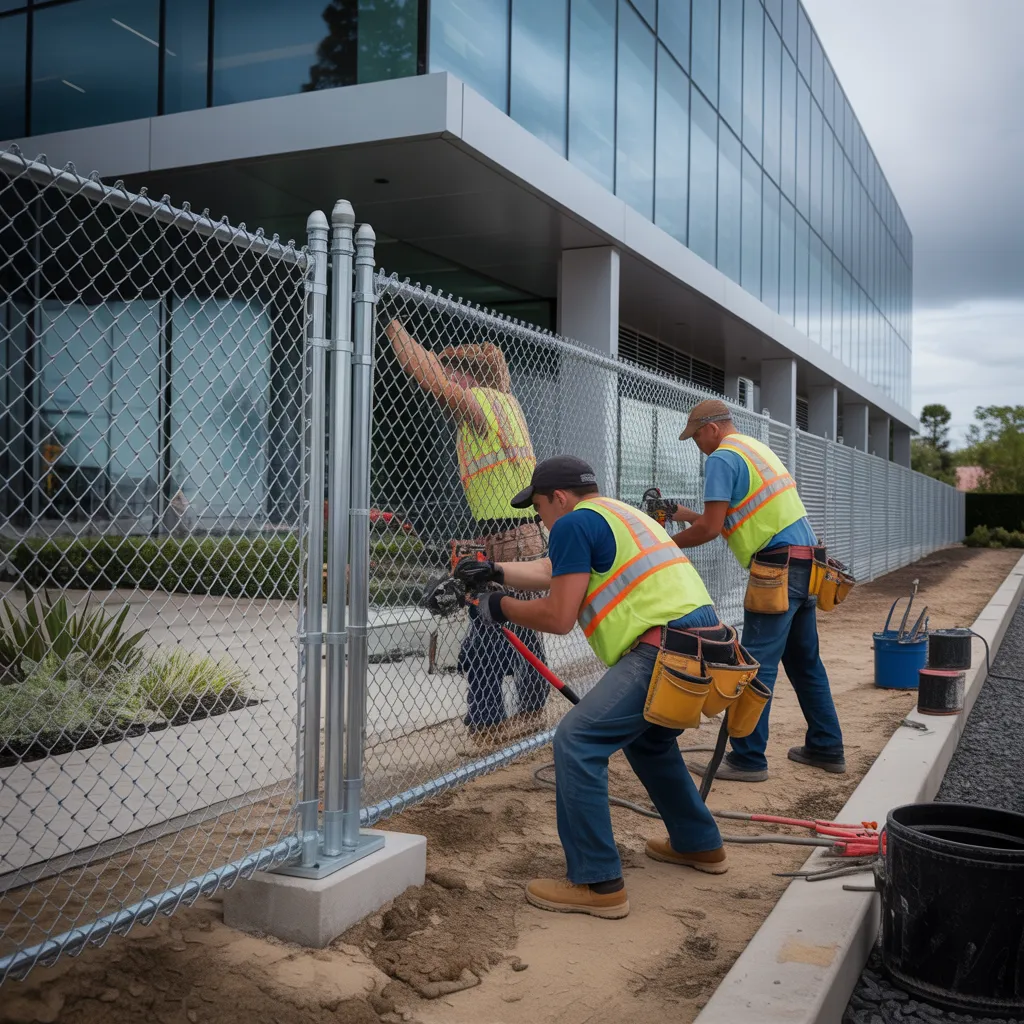
Why Your Property Needs Custom Fencing
When considering property enhancements, numerous homeowners realize that custom fences are more than just a visual decision but a critical investment. Custom fences deliver multiple benefits that extend beyond appearance. They strengthen protection by establishing a solid barrier that prevents unwanted visitors and protects children and pets. Furthermore, these fences provide seclusion, allowing homeowners to enjoy their outdoor spaces away from unwanted attention.
Moreover, customized fences can clearly mark property boundaries, reducing disagreements with neighbors and ensuring compliance with local regulations. They likewise improve the general market value of the property, making it more appealing to potential buyers.
When it comes to functionality, custom fences may be built to meet unique demands, such as access gates for convenience or features that enhance landscape design. At the end of the day, investing in a custom fence is a strategic decision that fulfills several functions, strengthening both the property's utility and its visual appeal.
An Overview of Popular Fencing Materials: Wood, Vinyl, and Metal
When considering fencing materials, vinyl, wood, and metal each present unique benefits and drawbacks. Cost comparisons highlight significant differences in initial investment and long-term maintenance expenses. Understanding these factors can assist homeowners arrive at knowledgeable decisions tailored to their needs.
Pros And Cons
Multiple fencing materials, including wood, vinyl, and metal, all offer unique benefits and drawbacks that can influence the decision of a homeowner. Wood is commonly preferred for its timeless beauty and adaptability but calls for ongoing attention to prevent decay and pests. Vinyl, by comparison, is low-maintenance and resistant to fading and pests, making it a durable long-term option; however, it may lack the traditional appeal of wood. Metal options, including aluminum or wrought iron, provides strong security and longevity but tends to require a larger investment and might need periodic upkeep to avoid corrosion. Each material presents unique characteristics, empowering homeowners to assess their unique demands and preferences when determining the best fencing alternative.
Price Comparisons
While homeowners often prioritize visual appeal and usability in the process of selecting fence materials, expenses remain a key element in the decision-making process. Wooden fencing generally offers a more affordable upfront cost but requires ongoing maintenance, which can increase long-term expenses. Conversely, vinyl fencing, despite its higher initial cost, deliver resilience and reduced upkeep requirements, making them an economical option in the long run. Metallic fencing options, such as aluminum and steel, usually carries a higher initial cost though is celebrated for its lasting strength and weather resistance, consequently lowering anticipated maintenance costs. Ultimately, the comprehensive cost assessment—considering setup costs, maintenance needs, and longevity—ought to direct property owners when determining the ideal fence material for both personal and commercial applications.
Selecting the Best Fence Design for Your Yard
Picking the right fence option for a property can considerably improve both the aesthetics and functionality of a property. Homeowners and property managers must consider several elements when selecting a design, including the primary function of the fence, regional guidelines, and the design aesthetic of the building. Fences designed for privacy, for instance, are ideal for creating sheltered outdoor areas, while picket fences often enhance the visual appeal of the home and deliver a charming appearance.
Material selection plays a considerable role as well; wood offers a traditional look, while vinyl or metal can offer long-lasting performance and minimal upkeep. Moreover, hues and styles should align with the nearby landscape and surrounding structures. At the end of the day, a well-chosen fence design not only marks boundaries but also adds to the overall character of the property, making deliberate choices crucial for accomplishing the desired results.
Why You Should Choose Professional Fence Installation
Opting for professional fence installation confirms that the undertaking is finished with expertise and attention to detail. Professionals possess the needed proficiency and experience to address the challenges of diverse fencing materials and configurations. They are well-versed in area-specific building codes and zoning guidelines, maintaining conformity and steering clear of legal problems.
In addition, engaging experienced technicians generally leads to a speedier installation process, as they have access to dedicated tools and expertise. Such proficiency not only saves time but also minimizes disruption to the homeowner's daily life. In addition, skilled technicians can offer helpful guidance and suggestions designed for the specific needs of the residence, boosting client satisfaction.
Finally,opting for professional installation typically offers service warranties, giving assurance regarding the durability and longevity of the fence. To conclude, selecting expert fence installation is a prudent decision for residential and commercial properties alike, guaranteeing a superior outcome.
How Can Custom Fencing Boost Your Security?
Custom fences serve a vital purpose in enhancing security for both residential and commercial properties. Through the creation of a physical barrier, it discourages trespassers and unauthorized entry. The height, materials, and design of custom fencing can be customized to address particular security requirements, making it challenging for intruders to scale or breach.
Furthermore, a wide range of bespoke fencing options can be fitted with sophisticated security elements, such as gates fitted with locks, surveillance cameras, or motion sensors, delivering an added layer of safety. The sight of a solidly built fence can additionally serve as a visual deterrent, making properties far less attractive prospects for illegal activities.
Furthermore, bespoke fencing can be constructed to block sightlines into the property, minimizing the intelligence that would-be intruders may collect. All things considered, choosing custom fencing considerably improves the security stance of any property, guaranteeing confidence and comfort for property owners and occupants.
Creating Curb Appeal With Custom Fencing
A well-designed fence can greatly boost the curb appeal of a property, quickly refreshing its exterior. Bespoke fencing designs offer a diverse array of designs, colors, and textures that can highlight the architectural features of a house or establishment. Regardless of whether you choose a traditional picket-style barrier, a contemporary streamlined style, or a rustic wooden barrier, the ideal selection can improve the entire appearance.
Furthermore, customized fences can be adapted to fit specific landscapes, providing a seamless integration with garden areas and exterior spaces. With the inclusion of aesthetic details, such as ornamental post caps or latticework, landowners can more thoroughly individualize their fencing solution, establishing it as a distinctive accent.
The visual impact of a personalized fence not only draws attention but also reflects the homeowner's taste and dedication to detail, consistently fostering a inviting and visually pleasing setting for both guests and those passing by.
How to Budget for Your Custom Fence Project
Setting a budget for a custom fence installation demands thoughtful evaluation of upfront costs and possible unforeseen charges. Creating an accurate budget is vital to avoiding unnecessary financial stress, because unanticipated expenses can surface during the fencing project. Being aware of these considerations allows homeowners to make well-informed choices and accomplish their fencing objectives while staying within budget.
Setting a Realistic Budget
Establishing a practical budget is crucial for homeowners and business read more owners thinking about installing a fence. Both homeowners and business owners should begin by evaluating their requirements and preferences, including the type of materials, design, and size of the fence. Looking into local pricing for materials and labor provides a solid budget foundation. Additionally, it is vital to account for potential variations in pricing based on factors such as location and complexity of installation. Allocating a reserve fund for unforeseen costs can offer valuable financial security. By carefully examining each of these elements, homeowners can build a detailed budget that matches their vision without exceeding their financial limits, paving the way for a well-executed and rewarding fencing endeavor.
Hidden Expenses to Keep in Mind
What hidden costs could surface during a custom fence installation project? Property owners should anticipate several possible unexpected expenses. Initially, site preparation could demand additional grading or land clearing, especially on uneven ground. Permit fees may also come as a surprise, since local regulations frequently require permits for fence installation. Furthermore, if the current landscape contains obstacles such as tree roots or rocks, removal expenses can rise rapidly. Beyond that, property owners may encounter unforeseen labor expenses if the project experiences delays or setbacks. Once installation is complete, ongoing maintenance costs, such as refinishing or repairs, should be accounted for in the overall budget. By considering these hidden costs, individuals can create a more accurate financial plan for their custom fence project.
Maintenance Advice for Long-Lasting Custom Fences
While custom fencing can improve a property's aesthetic appeal and security, regular upkeep is essential to ensure their durability. Regular inspections are important; property owners should look for indicators of deterioration, including cracks or decay, most notably in timber fences. Regularly cleaning the fence aids in eliminating dirt and buildup that may lead to degradation. For wooden fences, applying a sealant or protective stain every few years can prevent water damage and UV degradation.
Metal fences, on the other hand, should be checked for rust and corrosion. Applying an anti-rust paint can greatly extend their life. Furthermore, ensuring that vegetation does not encroach on the fence can reduce moisture retention and deterioration. Finally, immediate attention to any concerns can mitigate larger problems down the line. By following these maintenance tips, property managers can guarantee their custom fences continue to be both operational and attractive for decades to come.
Common Questions and Answers
How Long Does a Custom Fence Installation Generally Take to Complete?
The custom fence installation process usually spans one to three days, depending on factors such as the size of the property, the type of materials chosen, and current weather conditions. Timelines may vary based on specific project requirements and complexities.
Can I Install a Custom Fence During Winter Months?
Yes, installing a specialized fence over the course of the winter season is possible. That said, the installation process may encounter complications as a result of frozen ground and harsh weather, often lengthening installation time and demanding specialized equipment for effective results.
What Permits Are Needed for Custom Fence Installation?
Typically, a regional permit must be obtained for installing a custom fence, in addition to applicable zoning permits. Residents are advised to consult their local government for particular requirements, ensuring compliance with location, design, and height specifications before moving forward.
Do Warranty Options Exist for Custom Fences?
Numerous companies provide warranty options for custom fence installations, usually encompassing workmanship and materials. The length and conditions vary, so it is recommended that customers request information on detailed warranty information before beginning the installation process.
How Can I Select the Right Fence Contractor for My Project?
To choose a fence professional, it is advisable to explore local choices, examine customer feedback, confirm licenses and insurance, obtain thorough price quotes, and evaluate past projects. Responsiveness and professional conduct during first discussions also suggest dependability and service quality.